Building Emotional Resilience
10 Sep 2024
Introduction

Emotional resilience is the ability to cope with difficult situations, adapt to challenges, and recover from setbacks. In today’s fast-paced world, emotional challenges such as stress, pressure, and unexpected life events are common. Building resilience empowers you to stay mentally strong, remain positive, and handle tough moments with clarity and confidence.
Why Resilience Matters
Resilience is important because it strengthens mental health and enhances your ability to face adversity. People with strong resilience can think clearly even during stressful situations, manage emotions better, and bounce back from failures faster. It also lowers the risk of anxiety, depression, and emotional burnout. Resilient individuals are more adaptable, confident, and capable of maintaining healthy relationships.
Factors That Influence Resilience
Several factors play a role in shaping emotional resilience. Personal traits like optimism, confidence, and emotional awareness make handling challenges easier. A supportive environment—friends, family, or mentors—also boosts resilience. Healthy lifestyle habits such as regular sleep, balanced diet, and physical activity strengthen both the mind and body. Resilience improves when you develop coping strategies and learn from past experiences rather than avoiding them.
Practical Ways to Build Resilience
- Practice Gratitude: Focusing on positive aspects of life improves mindset and emotional strength.
- Maintain Daily Routines: Structured routines bring stability and reduce mental chaos.
- Seek Support: Connecting with trusted friends or family helps you feel understood and supported.
- Develop Problem-Solving Skills: Facing challenges with solutions-oriented thinking builds mental toughness.
- Stay Optimistic: Positive thinking helps you approach situations with hope and confidence.
- Set Realistic Goals: Breaking big tasks into smaller steps makes them more manageable.
- Adapt to Change: Accepting that change is a part of life helps reduce emotional resistance.
- Take Care of Your Body: Proper sleep, nutrition, and exercise support emotional well-being.
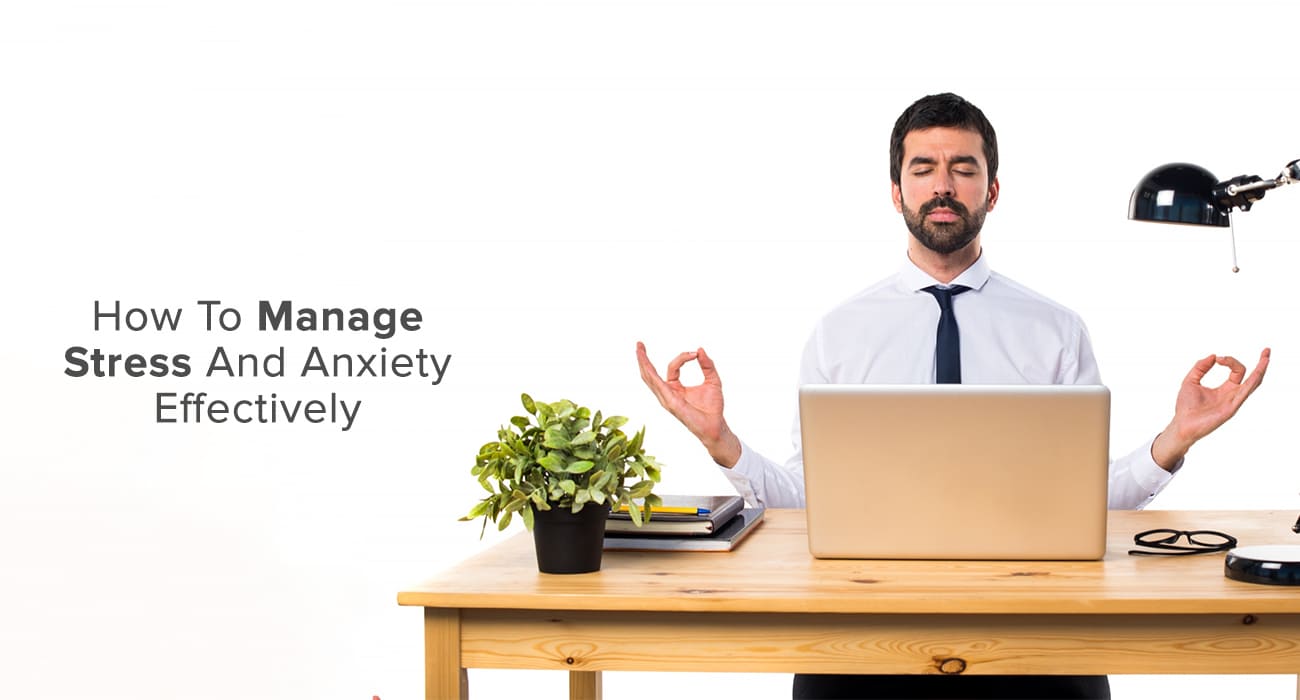
- Practice Mindfulness: Deep breathing, meditation, and mindfulness reduce stress and improve self-awareness.
Benefits of Emotional Resilience
People who develop emotional resilience enjoy several long-term benefits. They experience better mental stability, improved decision-making, and a more balanced emotional state. Resilience helps reduce anxiety, increases confidence, and enhances the ability to deal with criticism or failure. Overall, it supports healthier relationships, improved productivity, and a sense of inner peace.
Conclusion
Emotional resilience is not something you are born with—it is a skill you can build over time. By adopting positive habits, seeking support, and maintaining a growth mindset, you can become mentally stronger and more adaptable. Prioritize your emotional well-being and remember that resilience grows with every challenge you overcome.