Understanding Heart Health Tips
12 Nov 2024
Introduction
Heart health is essential for overall well-being. Your heart works continuously—24 hours a day—to pump blood and supply oxygen to every cell in your body. Maintaining a healthy heart not only boosts your energy levels but also reduces the risk of life-threatening conditions like heart attack, stroke, and heart failure. In this article, we explore everything you need to know: early warning signs, common symptoms, major causes, prevention tips, diet recommendations, and lifestyle changes that will keep your heart strong for years.
Common Symptoms of Heart Problems
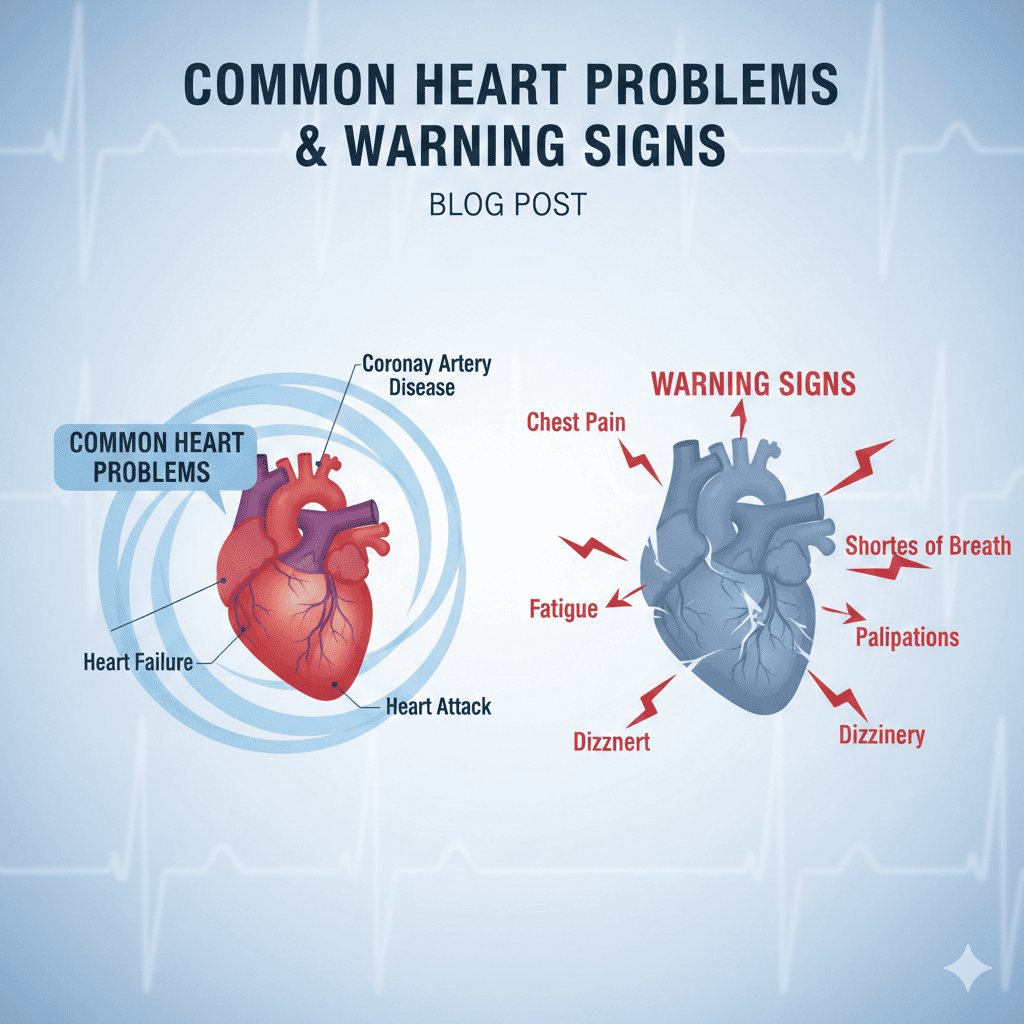
Recognizing the early symptoms of heart issues can save lives, as many heart diseases develop silently over time. Chest pain or discomfort is one of the most common signs—it may feel like pressure, tightness, heaviness, or a squeezing sensation in the center of your chest. Shortness of breath during normal activities like walking or climbing stairs also signals potential heart issues. Other symptoms include fatigue, swelling in the legs or feet due to fluid buildup, irregular heartbeat, dizziness, and fainting. These signs should never be ignored, as early treatment prevents serious complications.
Major Causes of Heart Problems
Several factors contribute to heart diseases. High blood pressure and high cholesterol are major culprits that force the heart to work harder and clog arteries. Diabetes affects blood vessels and increases the risk of heart issues. Lifestyle factors like smoking, obesity, and lack of physical activity significantly raise heart disease risk. Stress and lack of sleep weaken the heart over time. Family history also plays a key role—if close relatives have heart disease, the risk increases.
Prevention Tips for a Healthy Heart
You can reduce your chances of developing heart disease by following simple lifestyle changes. Stay physically active with at least 30 minutes of daily walking, jogging, cycling, or yoga. Eat a heart-friendly diet that includes whole grains, vegetables, fruits, nuts, seeds, olive oil, and omega-3 rich fish. Avoid fried foods, sugary drinks, excessive salt, red meat, and processed snacks. Maintain a healthy weight and manage stress through meditation, deep breathing, and relaxation techniques. Quit smoking immediately—your heart improves significantly within just one year of quitting. Limit alcohol intake and go for regular health checkups to monitor blood pressure, sugar, and cholesterol.
Healthy Foods for Heart Care
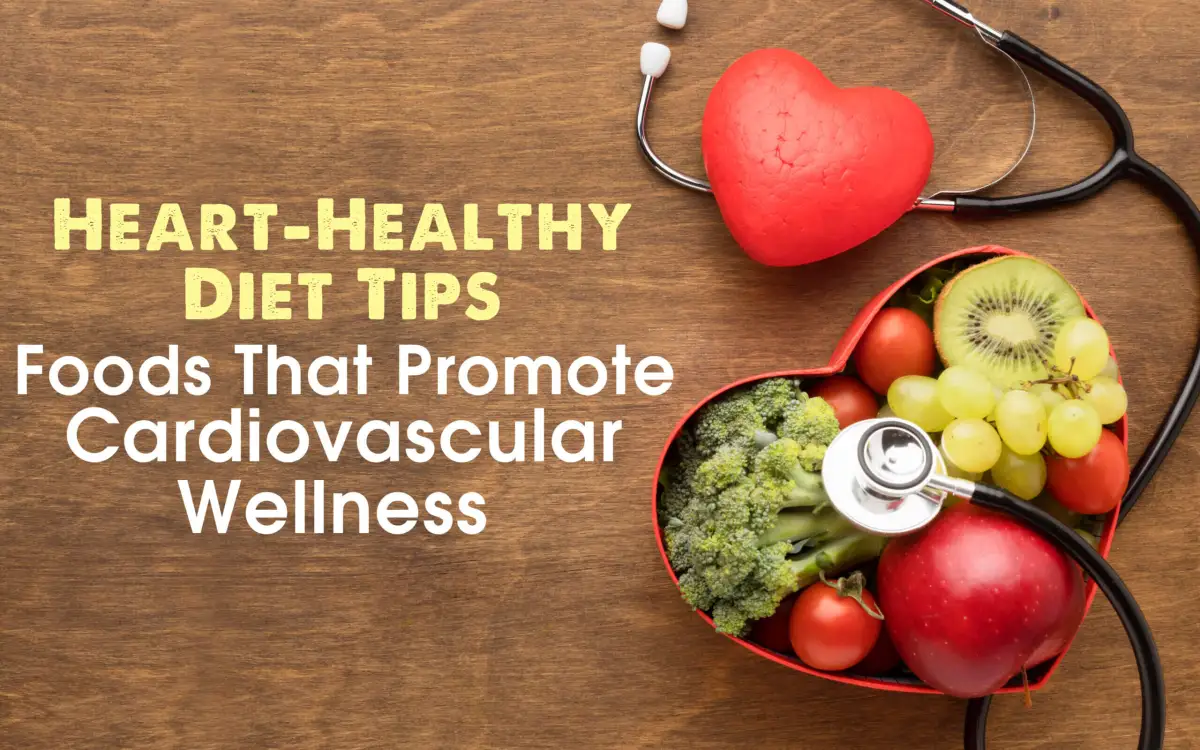
Certain foods naturally strengthen the heart and improve blood circulation. The best options include oats and barley, which help lower cholesterol. Avocados, berries, spinach, nuts, green tea, turmeric, beans, and lentils are excellent additions to your daily diet. These foods reduce inflammation, improve artery health, and support overall heart functioning.
Exercises for a Strong Heart
Regular exercise is essential for cardiovascular health. Cardiovascular exercises like brisk walking, jogging, cycling, and swimming strengthen the heart muscle, improve circulation, and reduce blood pressure. Strength training and flexibility exercises like light weight lifting, yoga, or stretching enhance overall fitness and help maintain a healthy weight, which is crucial for heart health.
Managing Stress for Heart Health
Chronic stress can increase heart disease risk. Incorporate stress-reduction techniques such as meditation, deep breathing exercises, mindfulness, and hobbies you enjoy. Regular relaxation not only improves heart health but also enhances emotional well-being.
When to See a Doctor
Seek immediate medical help if you experience sudden chest pain, pain spreading to the arm or jaw, severe shortness of breath, fainting, or a fast or irregular heartbeat. Early medical attention can save your life and prevent long-term damage. Never ignore warning signs—your heart health should always be a priority.
Conclusion
Heart health is something many people overlook until problems arise. However, with small and consistent lifestyle improvements—like healthy eating, regular exercise, stress control, and medical checkups—you can significantly lower your risk of heart disease. A strong heart leads to a longer, healthier, and happier life. Start today and give your heart the care it truly deserves.